
Creating Frog-Friendly Spaces with Native Pond Plants on the Sunshine Coast
- info203108
- 2 days ago
- 3 min read
The Sunshine Coast is home to a rich diversity of frogs — from the familiar Striped Marsh Frog and Eastern Sedge Frog to the iconic Green Tree Frog. Check out Frogs of the Sunshine Coast Region by Mike Donovan.
These species rely on healthy wetlands, creeks, and backyard water features to survive.
The good news? You can support local frog populations right at home by creating a frog-friendly pond using locally native plants.
Even a small pond or damp garden corner can become a thriving habitat when planted correctly.
Why Frogs Need Plants
Frogs depend on vegetation throughout their entire life cycle.
The right mix of native pond plants will provide:
Shelter from predators and heat
Breeding sites for calling and egg-laying
Safe habitat for tadpoles
Food sources by attracting insects
A successful frog pond mimics nature — with layered planting from underwater to the surrounding banks.
Best Native Pond Plants
Below are some ideal species available at Coolum Community Native Nursery. These are all suited to local conditions and support frog habitat.
Emergent & Water’s Edge Plants
These grow in shallow water or damp soil and are essential for structure and habitat:
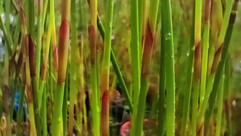
Baloskion pallens (Didgery Stick) – A fine, upright plant that adds vertical texture and shelter.
Baloskion tetraphyllum (Tassel Rope Bush) – Great for dense cover and stabilising wet soils.
Carex appressa (Tall Sedge) – A hardy, clumping sedge that provides excellent habitat and erosion control.
Ficinia nodosa (Knobby Club Rush) – Tough and adaptable, perfect for pond edges and sandy soils.
Juncus usitatus (Common Rush) – A reliable, fast-growing rush ideal for frog shelter.
Machaerina rubiginosa syn Baumea rubiginosa (Soft Twig Rush) –A graceful, tufted rush forming dense clumps of slender, arching stems with fine, soft foliage.
Schoenoplectus tabernaemontani (River Club Rush) – A taller species suited to deeper water margins. – Ideal for deeper edges and larger ponds.



Wetland & Shallow Water Plants
These thrive in consistently moist or waterlogged conditions:
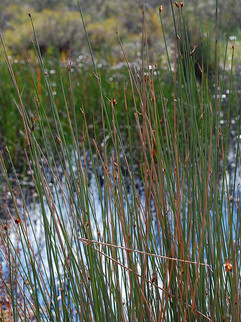
Bolboschoenus fluviatilis (River Bulrush) – A robust plant for larger ponds and wetter zones.
Lepironia articulata (Grey Sedge) – A striking architectural plant often found in natural wetlands.
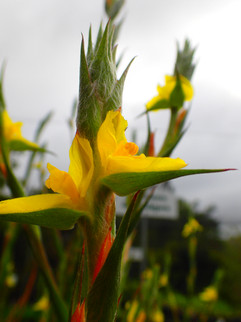
Philydrum lanuginosum (Frogsmouth) – A standout species with bright yellow flowers, highly attractive in frog habitats.




Surrounding Moist Area Plants
Planting around the pond is just as important as planting in it:
Dianella caerulea (Blueberry Lily) – Hardy tufting lily with dark green strap-like leaves to 50 cm
Lomandra hystrix (Creek Mat Rush) – A dense, grassy plant that provides shelter and stabilises soil around waterways.
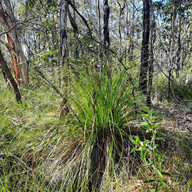
Gahnia aspera (Rough Saw Sedge) – Tufted sedge to 80 cm tall with sharply edged leaves.
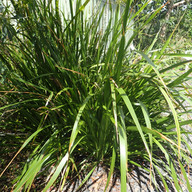
Gahnia clarkei (Tall Sawsedge) – Clumping perennial sedge up to 2 m tall with strap-like leaves and golden-brown flower spikes.
Gahnia sieberiana (Sword Grass) – Tufted sedge up to 1.5 m tall with sharp-edged leaves.
You can explore more suitable species on our plant information page Coolum Community Native Nursery - Plant information






Tips for a Frog-Friendly Pond
Create Gradual Edges:Frogs prefer gently sloping sides rather than steep drops.
Plant in Clumps: Dense planting provides better shelter and breeding habitat.
Avoid Chemicals: Even small amounts of pesticides or fertilisers can harm frogs.
Add Natural Elements: Logs, rocks, and leaf litter create hiding spots and cool microclimates.
Keep Water Still: Most local frog species prefer still or slow-moving water.

Visit the Nursery
At Coolum Community Native Nursery, we specialise in locally native plants that support wildlife — including frogs.
Whether you’re starting small or planning a larger habitat, we can help you choose the right plants for your space.
Come in, have a chat with our team, and start creating your own frog-friendly garden today.
Comments